Saturday, March 26, 2011

DANGER!!!


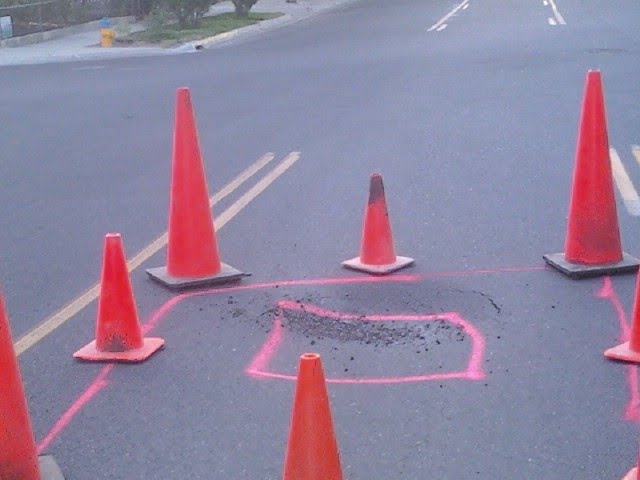
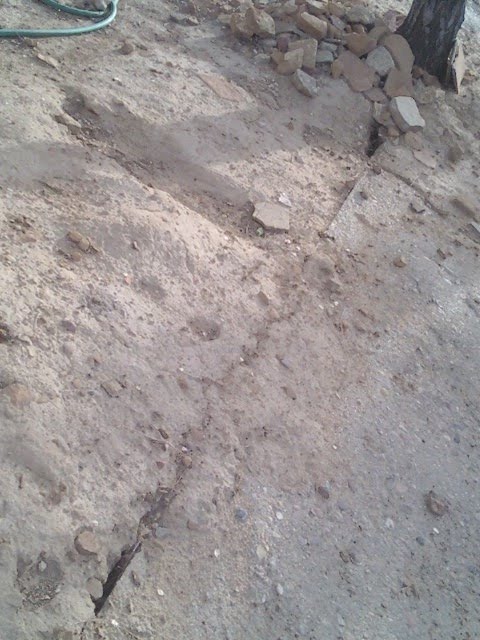
Beware of sinkholes, beware of movement in & with your homes. Listen to your home & land, it could save your LIFE!!!!

Sunday, January 30, 2011

August 14,2007~ Broken Promises

ksl news video 1/18/2010

Video Courtesy of KSL.com


KSL John Hollenhorst

News Broadcast Thrusday Dec. 3, 2009

Here is a news broadcast that was done on Thursday December 3, 2009.

K2 News Neema Vadedi.

‘Big Lift’ aims to save home


JEFF GEARINO/Casper Star-Tribune
Atlas Piers worker Andy Jackson compacts the dirt underneath the McAffee home on Pine Street in the Tree Street neighborhood of Rock Springs on Tuesday in preparation for a Big Lift project scheduled for this morning that aims to stabilize the house. The home was damaged in 2007 from a pilot subsidence project conducted by the state


BIG DROP
DAN CEPEDA/Casper Star-TribuneStar-Tribune
Dennis and Karla McAffee sit in the living room of their home in Rock Springs, Wyo., in January 2009. The McAffees’ historic home, which was built in the mid-1920s, started to crumble after a state project of ground compression was started to reclaim land for development.

ROCK SPRINGS - The ill-fated "Big Drop" subsidence project damaged the stately, historic Pine Street home of Karla and Dennis McAffee.

Now comes the Big Lift to try to fix some of it.

Workers began repairs on the McAffee home last week, more than two years after the state's coal mine subsidence project was halted amid complaints of damage by residents of this city's "Tree Street" neighborhood.

A Utah contractor specializing in the installation of foundation support systems plans to use a hydraulic system to raise the north front and the east side of the house this morning in an effort to better stabilize the house.

Karla McAffee said the family is footing the project bill until an agreement with state Abandoned Mine Land Division officials can be reached concerning payments for damages.

She said engineers were concerned about the structural safety of her damaged home and recommended beginning the repairs before winter.

"We just can't go another winter" with two sides of the residence slumping so badly, she said.

"There are significant safety issues, and though we still haven't got this resolved with the state ... I have to do right by my family and by the other people in my community, because if that (column and wall) falls over, somebody could be injured or killed," she said.

The state has yet to settle with McAffee and more than a dozen other homeowners in the Tree Street area of downtown Rock Springs for damages from the subsidence project. As part of the project, 25- and 35-ton weights were dropped more than 2,000 times on a nearby tract of undeveloped land.

The "dynamic compaction" experiment was part of a pilot project that began in July 2007 that intended to collapse old, abandoned underground mine voids and stabilize the land for housing construction. But days after the weight dropping began, residents began complaining that the seismic vibrations were shaking houses, cracking foundations and walls, shifting garages and driveways, and accelerating ongoing subsidence.

AML officials offered to pay for damages that an Evanston-based engineer determined may have been caused by the dynamic compaction during initial inspections of the homes.

Three of the 19 homeowners submitting damage claims to the state for repairs from the project accepted the state's offer. The majority of affected residents, however, including the McAffees, refused the settlement offer as not being adequate to compensate for damages to their homes.

Attorneys for the homeowners and the state have been negotiating for months on a new agreement that would allow state engineers to reinspect the homes, with an eye toward making new settlement offers.

State officials met with Tree Street residents last week to discuss the initial findings from more than two years of investigative drilling in the neighborhood that sought to better determine what's actually happening in the abandoned underground mine shafts and voids.

The study by engineers with the Colorado-based Tetra Tech revealed that there's still movement in the numerous mines, but the exact cause remains unclear. The subsidence risk, unfortunately, remains high for the neighborhood, officials said.


Historic home

The McAffees' stately old house is situated on tree-lined Pine Street about three blocks from the dynamic-compaction project.

The solid-brick house was built by a prominent local doctor in 1924 and is considered one of the original old homes in Rock Springs. Over the years, the couple invested thousands of dollars in renovating the showcase home.

Both the upstairs and downstairs were remodeled, the roof was repaired and redone, and new concrete sidewalks and driveways were poured.

Shortly before the compaction project, the family bought custom-built windows for the whole house. The windows are now stored in the garage and may never be installed.

McAffee said the subsidence created by the shock waves moving through the underground rock formations slowly destroyed their home. The basement rolls, floors in the upstairs portion now slant and slope, numerous walls were cracked, doors won't close right, the new driveway is separating from the house, and the brick fireplace wall is leaning.

A key column holding up the northwest end of the house separated from the wall shortly after the project ended.

Last year, engineers installed a 15-foot steel pole to temporarily support the front corner of the living room. Some 30 other temporary poles now brace the rest of the house. McAffee fears the front end of the house will collapse onto the street and injure a passer-by.

"The fireplace was becoming an issue in addition to the column, so it's just the critical areas of the house that this first work is being done on," she said.

In the summer of 2008, the couple hired a Cheyenne contractor to inspect the damage and make repair cost estimates. The contractor's estimate was $197,000.

The state's structural engineer also inspected the home. The state's settlement offer was $39,581.


Hydraulic jacks

The Big Lift aims to lift and then stabilize the McAffee home using a hydraulic lifting system, according to project foreman Sam Perry.

The first part of the project involved digging out the driveway, front porch walkway and the concrete near the column and fireplace last week.

Perry said holes were then dug under the house into the underlying rock formations. He said 14 steel piers with manifolds were secured in the holes surrounding the north front and east side of the residence.

"We had to dig through about 3.5 feet of shale rock just under the house ... and then go down anywhere from 7 to 9 feet" to anchor the piers into the underlying rock formation, he said.

Permanent, L-shaped devices with 25-ton cylinder jacks have been attached to the house's foundation that will be linked with the steel piers.

Perry said the plan is for workers to use a sophisticated, computerized hydraulic system to lift the house and then secure the piers into place.

"This should really do the job as far as we're concerned," Perry said Tuesday while working at the job site. "I have no doubt this will stabilize the house."

Perry said once the hydraulics are in place, it should take only a few hours to raise the sloping house to its previous level. When that's completed, the piers and jacks will be backfilled and buried, and the concrete driveway and walkway will be replaced.

Contact Jeff Gearino at gearino@tribcsp.com or 307-875-5359.

DEQ to change subsidence work

Rock Springs, Wyo. - After a public meeting on Tuesday, the Wyoming Department of Environmental Quality (WDEQ) and the City of Rock Springs have chosen to end all Dynamic Compaction (DC) work within the community.


“After listening to the public concerns over this project, we felt terminating the Dynamic Compaction work was the prudent thing to do,” said John Corra, director of the WDEQ. “However, mitigation work is still needed in the area to further protect public health and safety.”


“Mitigation work in Rock Springs must continue,” said Mayor Tim Kaumo. “John Corra has done a great job listening to our staff and residents and has made the right decision on changes on mitigation to protect the property and quality of life for our residents.”


During the project, several residents raised concerns that the DC work was causing damage to their homes. WDEQ officials suspended all work until after the public meeting.


“Based on our inspections and my personal observations its obvious that ground movement is occurring that has resulted in damage to some homes in the area,” said Evan Green, administrator, WDEQ Abandoned Mine Land division.


According to WDEQ, inspectors will be in contact with home owners to assess damages

Wednesday, January 26, 2011

Passing of a Dear Friend

1.THE TREE STREET FOLKS WILL TRAGICALLY MISS THIS MAN. JEFF HAS BEEN OUR
SAVIOR!! PLEASE KNOW JEFF, THAT AS YOU WONDER IN THE LANDS BEYOND, THAT
YOU WILL ALWAYS BE IN OUR HEARTS!! WE WILL MISS YOU MY DEAR FRIEND!
Becky Kelley


Jeffrey Gearino
Service:
Saturday, January 29, 2011
3:00 PM
Green River Fraternal Order of Eagles
88 N. 2nd E.
Green River, WY

Special Services:
Celebration of LIfe


Jeffrey David Gearino

Green River- Jeffrey David Gearino, 54, of Green River died Thursday, January 20, 2011 at Memorial Hospital of Sweetwater County, Rock Springs.
He was born April 26, 1956 in Atlanta, Georgia, the son of George D. and Grace E. Elrod Gearino.
He attended schools in Doraville, Georgia graduating from Sequoyah High School with the class of 1974. He graduated from the University of Georgia in Athens in 1977 receiving a bachelorĂ‚’s degree in journalism with a minor in photography.
He married Miriam "Mikki" Katherine Sanders April 15, 1978 in North Augusta, South Carolina.
He was first employed by the Edmonton Report in Edmonton, Alberta Canada.
He then worked as a journalist for the Green River Star, Rocket Miner, and most recently the Casper Star Tribune. He formerly worked as a bartender at the Red Feather in Green River.
His interests included bowling, golfing, fishing, playing horseshoes, gardening, and story telling. He was an avid BroncoĂ‚’s fan.
Survivors include his wife Mikki Gearino of Green River; two daughters, Jessica Lee Harrison and husband Dustin of Boise, Idaho, and Alicia Deane Griffin and husband Jessie of Rock Springs; brother George Daniel Gearino of Raleigh, North Carolina; grandson Rory Griffin of Rock Springs; several aunts and uncles; numerous nieces and nephews.
He was preceded in death by his parents, grandson Ashton Davis Griffin, and sister-in-law Caroline Gearino.
Cremation has taken place at Fox Crematory, Rock Springs.
A celebration of his life will be held at 3:00 p.m. Saturday, January 29, 2011 at the Green River Fraternal Order of Eagles, 88 N. 2nd E., and Green River.
Friends and family are requested to wear casual dress - Bronco attire, flashing jewelry and mismatched shoe laces optional.
The family requests that donations be made to the Jeffrey Gearino Memorial Fund, State Bank, 30 Shoshone Ave., Green River, WY 82935


Home
Contact Funeral Home
Interested In Pre-planning?
Site Copyright © 2002, Aurora Casket Company
Site designed and developed by Auro


COMMENTS:

2.God rest your soul Jeff Gearino, you were a true friend and we will all miss you deeply.
Bill Spillman

3.Rest in peace Jeff. We will truly miss you.
The Shafes

Tuesday, January 25, 2011

Wyoming needs to help Tree Street residents

It's high time for common sense to prevail and for the state of Wyoming to finally offer reasonable compensation to residents of Rock Springs' Tree Street neighborhood for damages to their homes.

For the fourth straight legislative session, more than a dozen residents have turned to lawmakers for help, but none seems to be forthcoming.

Lawmakers who have taken the time to tour the houses in the area have generally expressed support for the residents, who claim their homes were damaged by the state's experimental dynamic compaction project in July 2007. So did then-gubernatorial candidate Matt Mead, who examined the damage a year ago and said he was "stunned" by what he saw.

Last February, Mead followed up his visit with a letter to the residents that noted, "I see the considerable time the state has spent on this matter, and certainly all parties need finality and a conclusion ... The time for resolution is now."

We couldn't agree more. Now, in his capacity as the state's chief executive, we encourage Mead to do everything in his power to resolve the problems.

It's hindsight, of course, but it's no wonder the dynamic compaction process failed to work and has been blamed for making the Tree Street residents' lives nightmarish.

In an effort to free vacant lands that Rock Springs could use to build affordable housing, the new subsidence process repeatedly dropped 25- and 35-ton weights over undermined areas to collapse the underground mine voids on a tract of land near the Tree Street neighborhood. Contractors dropped the huge weights more than 2,000 times before the project was halted in mid-August 2007 after complaints from residents.

Some homes in the area have continued to experience damage, which owners attribute to accelerated subsidence from the dynamic compaction.

After offering homeowners incredibly low settlements, which all but three refused, 15 owners filed a lawsuit against the state of Wyoming last July when no other offers materialized. The state finally agreed to hire a Colorado engineering firm to reinspect the houses, but the company's report last November concluded it is "plausible but not likely" that the mine subsidence project damaged the homes.

For more than three and a half years, the state's focus has been solely on trying to establish if it could be blamed for the damages. But now that the engineer's report is finished, it's time for the state to finally recognize that whether or not the dynamic compaction process is the likely cause of the damage, the problems the homeowners have experienced are still the result of underground mine voids that should be covered using Abandoned Mine Lands funds.

The federal AML program taxes coal production to raise money to clean up abandoned coal mine sites. The damaged Tree Street homes are the perfect example of the type of project the money should be used for by Wyoming, which has received about $600 million in AML funds since 1997.

The only hitch is that state rules do not allow the Wyoming AML Division to purchase land or homes. So the guidelines need to be changed to better match federal AML standards, which are looser and more subject to interpretation, as several Sweetwater County representatives suggested last year. In the short budget session, however, the issue was not introduced.

The delay in making the homeowners' whole has been a travesty and an embarrassment to the state. Wyoming needs to right this wrong and, as Mead said last year, make certain no others will ever have to "endure this misery."

COMMENTS:
1.SDB said on: January 24, 2011, 10:54 am
I'm not an engineer and my knowledge in such things is limited, but my common sense made me question the idea of dropping 25 & 35 ton weights that close to town back when the idea was first proposed. I mean, that is a significant amount of weight and the whole GOAL of the project was to collaps underground tunnels. Wouldn't it make sense that this action would reverberate (or whatever the technical term is) throughout the ground of quite a ways? Doesn't is make sense that said reverberation would have an affect on nearby structures?

Again, I'm engineering is not my field of study, that's just one commoners take on the subject. Either way, those responsible for the weight dropping owe these homeowners fort the damage done. These people lived in that neighborhood before the hairbrained idea of collapsing the mine shafts in this way was proposed. There was no way they could have predicted this.

Todd does bring up a good point though...what about the contractor's insurance covering some of the damage. Certainly a contractor wouldn't have taken the job on without researching the right way to do such a thing. If they did, maybe they should bare some of the responsibility.

2.Todd said on: January 24, 2011, 6:06 am
State officials have not done themselves proud in this situation. It is way past time to pay up. If they had used a contrator with insurance it would have been taken care of several years ago.

3.notawyonative said on: January 26, 2011, 11:47 am
So who hired the guy to do the survey? If the state of wyoming did, I would not believe a word he says. They need to get a court appointed professional who is neutral to the situation

4.chillywilly said on: January 29, 2011, 9:43 am
So Mac thinks it is OK if a person's lifelong sweat and toil to better oneself is destroyed and stolen from you so the rest of society can benefit. That does sound like socialism or communism to me. I am one of the people who has received this benificent treatment from the state of wyoming. Here is the truth that the state won't allow to be spoken: (1).There was no insurance offered to anyone in the tree streets area until after the damage had been done. (2). Subsidence maps of the city were altered from being labeled as high risk to low risk so that dynamic commpaction could be done. (3) 2700 richter scale 4 earthquakes in 3 weeks. It shattered the sidewalks, foundations and concrete slabs upon which our residences had sat undisturbed for30 to a hundred years.(4) Personally, now my sewer drainage does not work as it should due to the subsidence and ground movement and is costing me lots of dollars just in 2-3 roto rootings a year. Mac, do you like cleaning #### off floors and walls after a roto rooter has been working in your basement? I am only the second owner of a home built in the 70's and this house is coming apart around me I had 6 of the best state employee engineers look at my house over a two year time and not a single one of those worthless, supposed engineers noted or at least told me about it, that the furnace natural gas supply line had dropped onto the exhaust manifold for that furnace, crushing the exhaust line and quite frankly my wife and I sat on top of a potential bomb for 3 years until I noticed it and immediately, at some significant cost, rectified the situation. We had bought this house 3 years prior to dynamic compaction,after having the required mortgage assessment and I had inquired of the mortgage representative who I had used before about subsidence insurance and was told no I did not need it where we were moving. I had subsidence insurance at the other house and it is not a big deal, as you pay $300 a year and that supposedly covers you for subsidence.
If not for the help a dearly beloved,sorely missed,and now departed Jeff Gearino who won major awards for his reporting on this fiasco, we would probably not even be at this point. The state has lied, stolen, and refused any honorable attempt at resolution. Liars and thieves, that is the makeup of wyoming state government officials & dept heads.
I know this is a long winded rant but it only covers the tip of the iceberg of what tree street residents are having to put up with while a lying and thieving state government stonewalls us. We all met every condition the state put in front of us at our own costs: new assessments, now we have to buy subsidence insurance that is not worth the paper it is written on as the state denies there are related subsidence problems, we have all had to pay for bids to repair, submitted them to the state and then get lowballed pennies on the dollar. Finally at the three year mark, when statute of limitations regulations came into effect, we were forced to file a suit. The state has been most dishonorable in their dealings with us, and what really galls me is that the new governor has put the same incompetent back in charge of wyoming DEQ and praised the good job he has done. What a bunch of boot licking. I could go on and on about damages that I and other tree streeters are dealing with, but it would take pages. Wyoming DEQ is out of control, is lead by incompetents. Polluted water tables now in Pavillion, ozone alerts and poisonus air in Pinedale, millions and millions of dollars being poured down rat holes in the name of subsidence grouting. Watch out Gillette, they are coming your way.

Saturday, January 15, 2011

Tree Street residents seek lawmakers' help again


DAN CEPEDA 'Tree Street' residents Becky Kelley and Donna Maynard talk with Gov. Matt Mead after Mead's first-ever State of the State address on Wednesday at the Wyoming State Capitol in Cheyenne. This is the fourth consecutive legislative session that Kelley and Maynard have attended as they try to get compensation for homes they say were damaged by dynamic compaction in Rock Springs. (Dan Cepeda/Star-Tribune)


By JEFF GEARINO - Southwest Wyoming bureau trib.com | Posted: Saturday, January 15, 2011 1:15 am

GREEN RIVER -- For four consecutive legislative sessions, two Rock Springs residents have been using any means they can to catch the attention of lawmakers while they wait for the state to pay for repairs to their homes they say were damaged by a controversial mine subsidence project in 2007.

"Tree Street" homeowners Becky Kelley and Donna Maynard prowled the State Capitol halls in Cheyenne most of this week, both sporting bright orange buttons on their lapels.

The button shows a crane with a heavy weight suspended over a cracked and skewed house, superimposed over a boxing glove.

"Dynamic Compaction July 2007" is written in capital letters across the button, along with "state-funded pilot project wrecked our homes."

The ill-fated project conducted by the Wyoming Abandoned Mine Lands Division -- which aimed to free vacant lands in the city that could be used to build affordable housing

-- employed a new subsidence process known as dynamic compaction.

Dynamic compaction involved dropping 25- and 35-ton weights over undermined areas to collapse the underground mine voids on a vacant tract of land near the Tree Street neighborhood.

But the project ended up damaging nearly 20 homes in the area, residents claim.

Since then, more than a dozen homeowners in the neighborhood have been battling the state after residents rejected the state's first settlement offers in 2008.

Homeowners had hoped that reinspections by a Colorado-based engineering firm this summer would serve as the basis for new settlement offers from Wyoming Attorney General Bruce Salzburg.

But Salzburg said in November there would be no new offers to residents based on the reinspections. Salzburg said he could find no basis in the engineer's report upon which to make any settlement offers to residents.

Kelley, the unofficial spokeswoman for the Tree Street residents, said she and other homeowners continue to be frustrated with the slow pace of the resolution process.

She and Maynard spent this week meeting with lawmakers, with new Gov. Matt Mead and just about anyone who would listen to them.

"I truly believe things are going to start turning around ... we're still hoping for some relief from the legislators this session," Kelley said.

"I sure pray Gov. Mead comes through for us ... hopefully, we'll have some answers soon," she said.

Kelley said she and other homeowners continue to experience new damage from subsidence, which they believe is caused by residual effects from the dynamic compaction project.

She said gauges installed by AML engineers in and around her home continue to show movement.

In recent months, several window panes have broken at her home on Ash Street and new cracks have appeared in the driveway. "It's spooky," she said.

Kelley said if a legislative solution can't be reached, then residents will pin their hopes on a lawsuit filed by 15 plaintiffs against the state of Wyoming in Sweetwater County District Court in Green River in July.

Heard the frustration

On Jan. 27 -- at the invitation of Kelley, Maynard and other Tree Street residents -- then-Republican gubernatorial candidate Mead toured four homes and an apartment complex to get a firsthand look at the damage they say was caused by the dynamic compaction project.

Like other lawmakers who toured the homes, Mead said at the time he was stunned by what he saw.

The rancher, who served as U.S. Attorney for Wyoming from 2001 to 2007, urged residents to continue to inform the public of their plight and to keep fighting for a fair and equitable solution from the state.

"Having seen five damaged structures first-hand, I acknowledge the hardship to you ... and the time that has elapsed without getting anything resolved with the state," Mead wrote in a follow-up letter to residents dated Feb. 24.

"I have seen the damage ... I have heard the frustration," Mead wrote.

"I see the considerable time the state has spent on the matter; and certainly all parties need finality and a conclusion to this difficult matter," he said. "The time for resolution is now."

Mead offered several suggestions concerning his "view of things that could be done" to help resolve the issue.

Mead told residents decision-makers from the state should first tour the area to see the damaged homes.

Second, "fair current damage assessment (including effects of any continued ground movements) and mediation processes should be agreed upon and undertaken expeditiously, followed by a speedy process to make the landowners whole as a result of the dynamic compaction project," he wrote.

Mead also urged property owners to keep "public focus" on the matter pending a satisfactory resolution and to continue their efforts for assistance through legislation.

"The state should have a plan for the future, which at a minimum requires notice to nearby landowners before similar remediation efforts are ever done -- we don't want others to endure this misery," the letter said.

Contact southwest Wyoming bureau reporter Jeff Gearino at 307-875-5359 or gearino@tribcsp.com

RELATED STORY

About the dynamic compaction project

More than a dozen residents of the "Tree Street" neighborhood in downtown Rock Springs have been seeking relief from state government over a controversial mine subsidence project conducted during the summer of 2007.

The project was the result of a decade-long search by city officials to free previously undeveloped lands for much-needed housing projects. But most of the vacant lands in the city are located over old, underground mine voids.

State Department of Environmental Quality rules forbid the agency's Abandoned Mine Land Division from conducting any subsidence mitigation work on undeveloped lands.

So the city sought and received special permission from then-Gov. Dave Freudenthal and the AML to conduct a special reclamation project within a 61-acre tract identified by city officials as most suitable.

A key component of the project was the use of a pilot reclamation technique known as dynamic compaction.

For three weeks beginning in late July 2007, cranes pounded the ground with 25- and 35-ton weights to collapse the underground mine voids on the vacant tract of land, which borders the Tree Street neighborhood.

Contractors dropped the huge weights more than 2,000 times before the project was halted in mid-August after complaints from residents.

Homeowners contended the shock waves from the ground pounding shook houses, severely damaged many homes in the area and needlessly accelerated ongoing subsidence in the neighborhood.

AML officials said at the time they would pay for any damage to homes resulting from the dynamic compaction portion of the project.

The state sent in engineers to assess the 19 damage claims filed by homeowners under a settlement process established by the AML Division. The state then sent settlement offers to each homeowners based on the engineer's report.

So far, only three homeowners have accepted the offers. The other homeowners believe the offer was way too low and would not adequately compensate residents for needed repairs to homes.

In May, state-contracted engineers performed a second round of inspections on the damaged homes at the behest of Wyoming legislators. State lawmakers allocated $120,000 to pay for the new damage assessments of the homes.

But the final engineers' report from the reinspections of homes didn't support making new offers to homeowners to pay for repairs, according to state officials.

The report said it was plausible, but not likely that the dynamic compaction portion of the project caused the damage to Tree Street homes.

-- Jeff Gearino

Saturday, January 8, 2011

Wind Blowing through our "closed" windows

Here are some videos of the wind blowing through our windows. One window has plastic over it to help keep the heat in, and one window does not have the plastic.


Tuesday, January 4, 2011

More Movement


Here is a picture of a gauge showing new movement at the Kelley Residence.

Sunday, September 26, 2010

Engineers complete reinspections of damaged homes

Engineers complete reinspections of damaged Rock Springs homes

By JEFF GEARINO - Southwest Wyoming bureau trib.com | Posted: Sunday, September 26, 2010 1:15 am

GREEN RIVER -- The final engineers' reports from the reinspections of more than a dozen Rock Springs homes damaged from a controversial 2007 mine subsidence project were delivered to the state last week, homeowners say.

The reinspections by the Centennial, Colo.-based J.A. Cesare and Associates are expected to serve as the basis for new settlement offers from Wyoming Attorney General Bruce Salzburg, where warranted.

More than a dozen residents in the downtown "Tree Street" neighborhood have been battling the state's Abandoned Mine Lands Division over the new inspections after rejecting the state's first settlement offers in 2008. Homeowners on a half-dozen streets in the downtown neighborhood contend their houses were severely damaged during a three-week subsidence project by the AML Division in July 2007 that employed a pilot mine reclamation technique known as dynamic compaction.

Using dynamic compaction, contractors dropped 25-ton and 35-ton weights repeatedly over old underground mine voids on a vacant lot adjacent to the neighborhood. The project ran for nearly three weeks until homeowners' complaints about the damage halted the project.

Homeowners said the vibrations cracked driveways and foundations, ceilings and walls, caused gaps in windows and doors, and opened sinkholes in some yards, among other damage.

Tree Street spokeswoman Becky Kelley said Friday the homeowners hope the latest engineering reports from Cesare will reveal the true extent of the damage and result in better settlement offers from the state.

"I'm so hoping that these new reports say what we've said all along ... that these homes are severely damaged (from the project) and they should be replaced," she said.

"We're all living in homes that are basically a hazard now ... and the state should be up front and take care of us the way they promised they would," Kelley said.

AML spokesman Keith Guille was not available for comment Friday.

Engineering teams with J.A. Cesare and Associates reinspected about a dozen of the damaged homes and a nearby apartment complex from top to bottom in May. DEQ officials say the reinspections should result in new offers that more fairly compensate homeowners for damage from the dynamic compaction portion of the project.

State officials say a lack of baseline information about homes and buildings surrounding the project site -- including the low-income Springview Manors Apartment complex -- made it difficult for the first engineering inspections in 2008. The engineers were unable to fully discern what was damage from the dynamic compaction project and what was damage that was to be expected from normal subsidence.

Most homeowners rejected the state's first settlement offers as way too low to adequately pay for much-needed repairs.

So a deal was brokered this spring -- with help from Sweetwater County's legislative delegation -- to reinspect the homes using $120,000 allocated by state lawmakers during the 2010 session.

No sell

Kelley said most homeowners are at the point now where they just want to move out of the neighborhood because of the fears of ongoing subsidence caused by the project and the occasional new damage they're still discovering as a result.

She said the homeowners worry the estimated cost of repairing their homes -- and the new settlement offers -- could end up being higher than the appraised value of the residences.

"Basically I just want to be bought out so I can go ... because I don't want to be on this land any more, and I think we all feel that way," Kelley said in a phone interview.

"I think we're all just hoping this (next settlement offer) will be enough so that we can maybe relocate someplace else," she said.

"We all know that nobody will want to buy up there .... none of us will ever be able to sell our homes now," Kelley said.

But AML officials say there are no provisions in state rules that allow the agency to purchase land or homes, and that buying damaged homes outright is not a viable option.

The federal AML program taxes coal production to raise money to clean up abandoned coal mine sites and for other projects. In Wyoming, the funds have gone to clean up old mines as well as to projects related to coal gasification, carbon sequestration and the University of Wyoming School of Energy Resources.

Congress passed the Surface Mining Control and Reclamation Act in 1997. Wyoming has received about $600 million in AML funds since then.

The federal government still collects a 35-cent tax on each ton of coal produced in the state for the AML fund.

Contact southwest Wyoming bureau reporter Jeff Gearino at (307) 875-5359 or gearino@tribcsp.com


Comments:
at0mic said on: September 26, 2010, 10:47 am
Oh Ralph...That was excellent!!! I am still laughing. Your exactly right though. Great post.


Ralph said on: September 26, 2010, 7:26 am
Is this the FINAL final inspection or the intermediate final inspection based on a future final inspection?

The people must work with the natrona country school district. Fund another study to determine if a study is needed.

Whatever happened to common sense?

America - what a country!!!

Todd said on: September 26, 2010, 6:54 am
How much money has the state spent already inspecting and reinspecting instead of just bying the houses and being done wiht it or at the very least spending whatever it takes to fix them. Let's hope no more years go by doing more inspections and BSing without doing anything.

new damage


This homeowner was standing outside next to her home when she herd a loud pop, and witnessed it crack.

Tuesday, September 7, 2010

OWNERS OF DAMAGED ROCK SPRINGS HOMES PIN HOPES ON REINSPECTIONS

GREEN RIVER -- Bill Spillman remembers the day in August 2007 when his house's foundation broke apart a few weeks after a controversial mine subsidence project near his home ended.
Spillman bought his modest home on Converse Court in 2004 near the "Tree Street" neighborhood, and the 30-year old house had never experienced subsidence problems before.
He believes the "dynamic compaction" portion of the mine subsidence project -- which included dropping multi-ton weights to collapse old mine voids in the area -- literally "blew apart" his foundation.
Spillman's home still hasn't been fixed. And now his family room floor is cracking as well.
"It looks like something tried to come up from underneath ... and just shattered the whole floor," he said in an e-mail last week.
"The concrete slab underneath is spider-webbed with a bunch of full, thick cracks that runs from wall to wall," Spillman said.
"Some of the cracks are 11 feet by 8 feet and go underneath the carpet I haven't lifted up yet," he said. "I think this pretty much totals this house."
Frustrated and angry, homeowners including Spillman in the downtown Rock Springs neighborhood say they are still waiting for the latest engineering reports from state-contracted engineers so their houses can finally be fixed.
Engineering teams with J.A. Cesare and Associates of Centennial, Colo., reinspected more than a dozen of the damaged homes in May. The inspection reports are expected to serve as the basis for new settlement offers from the state to repair damage from the ill-fated mine subsidence project in 2007.
Spillman and more than a dozen other area homeowners have been fighting the state over the new inspections after rejecting the state's first settlement offers in 2008 to repair damaged homes.
Homeowners contend the state's first offers were way too low to adequately pay for much-needed repairs.
Tree Street unofficial group spokeswoman Becky Kelley said homes in the area are continuing to experience damage, which homeowners attribute to accelerated subsidence from the dynamic compaction.
She said homeowners are still pinning their hopes on an equitable settlement as a result of the reinspections, which residents believe will finally reveal the true extent of the damage caused by the project.
"Here we sit going into our fourth winter with our wrecked homes," Kelley said.
"We are all continuing to have more problems ... I can hear the ground grumbling beneath me (most days) and houses are continuing to move and crack," Kelley said.
"They keep telling us to hang on ... but we want to see what those reports have to say," she said.
AML spokesman Keith Guille said Friday the report "is close" to being completed and delivered to the agency.
"Obviously I'm sure everybody is very anxious, as are we," he said.
Contact southwest Wyoming bureau reporter Jeff Gearino at (307) 875-5359 or gearino@tribcsp.com
About the project
More than a dozen residents of the "Tree Street" neighborhood in downtown Rock Springs have been battling state government over a controversial mine subsidence project conducted during the summer of 2007.
City officials had been working for years to free up previously undeveloped lands for much-needed housing projects. But most of the vacant lands in the city are located over old, underground mine voids.
State Department of Environmental Quality rules forbid the agency's Abandoned Mine Land Division from conducting any subsidence mitigation work on undeveloped lands. So the city sought and received special permission from Gov. Dave Freudenthal and the AML Division to conduct a special reclamation project within a 61-acre tract identified by city officials as most suitable.
A key component of the project was the use of a pilot reclamation technique known as dynamic compaction.
For three weeks beginning in late July 2007, cranes pounded the ground with 25-ton and 35-ton weights to collapse the underground mine voids on the vacant tract of land, which borders the Tree Street neighborhood. Contractors dropped the huge weights more than 2,000 times before the project was halted in mid-August after complaints from residents.
Homeowners contended the shock waves from the ground pounding shook houses, severely damaged many homes in the area and needlessly accelerated ongoing subsidence in the neighborhood.
AML officials said at the time they would pay for any damage to homes resulting from the dynamic compaction portion of the project.
The state sent in engineers to assess the 19 damaged claims filed by homeowners under a settlement process established by the AML Division. The state then sent settlement offers to each homeowners based on the engineer's report.
So far, only three homeowners have accepted the offers. The other homeowners believe the offer was way too low and would not adequately compensate residents for needed repairs to homes.
In May, state-contracted engineers performed a second round of inspections on the damaged homes at the behest of Wyoming legislators. State lawmakers allocated $120,000 during the 2010 session to pay for the new damage assessments of the homes.
AML officials have said the offers should fairly compensate homeowners for damage form the dynamic compaction. AML officials said they will make new offers based on the latest engineer's report where warranted.

Bill Spilman's damages


Pictures of Bill's floor.

Sunday, September 5, 2010

New Sinkhole!!!


I found a new sinkhole in my backyard. I thought I would share it with everyone.

Wednesday, July 28, 2010

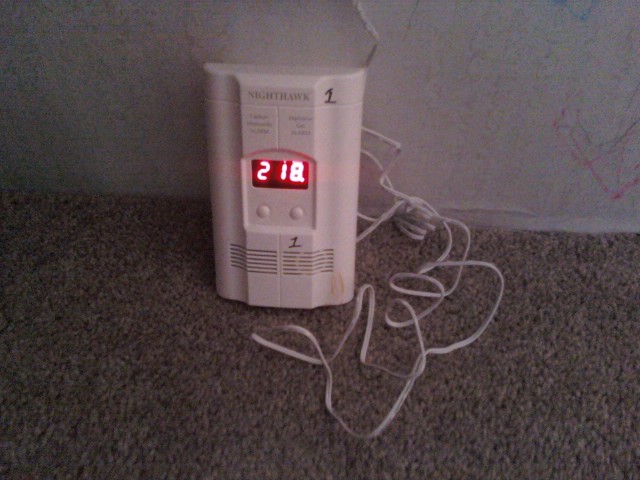
New Reading on Becky's Gas monitor


I WAS CALLED HOME TODAY, BECAUSE MY NEW GAS MONITOR THAT THE
FIRE DEPARTMENT GAVE ME WAS GOING OFF. I GUESS IT WENT OFF FOR ABOUT
30-45 MINUTES BEFORE I GOT HOME.

WELL HERE IS WHAT IT RECORDED IN THE BACK OF MY HOUSE.

"343!!!"

ALSO THE ONE I HAVE ABOVE THE FIRE DEPT. MONITOR
RECORDED "219." THE ONE IN MY BEDROOM RECORDED "211."

PLEASE BE AWARE OF THE BAROMETRIC TEMPERATURE, IT DOES HAVE A LOT TO DO WITH
THE UNDERGROUND MINES AND MINE GASES RISING.

HEADACHES, AND STOMACH PAINS CAN BE CAUSED BY SLOW SEEPING GAS.
DON'T DISMISS THESE SYMPTOMS. PLEASE GET A GAS MONITOR FOR YOUR HOMES!!

Saturday, July 17, 2010

New Sinkhole Opening UP!!!!


Another sinkhole opening up on A. St. and Reed St.
What will be their Story and excuse this time??
No rain, so does wind now cause sinkholes??

Wednesday, June 23, 2010

Becky's Tree


Here is some pictures of Becky's trees. The whole is getting bigger with every rainfall we have.

Sunday, May 23, 2010

RUDE AWAKENING


This is another update on Becky's gas monitor. It went off at 6:27(5/21/2010) am and kept beeping for 5 minutes.

Tuesday, May 18, 2010

A letter from Congressman Cynthia Lummis

Becky got this from Congressman Cynthia Lummis, and was wondering what everyone thought about these issues. Please feel free to comment.


I would like to hear your ideas and concerns for America’s future.

I believe that by recommitting ourselves to government of the people - federal policy driven by every day Americans and not by Washington, D.C. insiders – to protect our liberty, revitalize our economy and restore our economic and personal freedom is the best policy. Please share your ideas and concerns so that I may better represent you in Congress. I hope to enlist thousands of Wyomingites' common sense ideas into my work in Congress.

Please forward this email to your friends and family, as we need to involve as many Wyomingites as possible.

Sincerely,

Congressman Cynthia Lummis


This is what I think Congress should prioritize
Please rate the following issues you think Congress needs to address on a scale of 1-6, 1 being most important.

Jobs
Taxes (estate tax, flat tax, fair tax, VAT, capital gains tax etc…)
Cut Federal Spending/Balance the Budget
Border Security
Debt (Medicare and Social Security Reform)
Health Care Reform

Please send your well wishes and prayers to the Liggett Family

Everyone,
Please keep the Liggett Family in your thoughts and prayers. John is in the hospital.

Megan, if you need anything, please let us know by emailing Becky.

Sunday, May 16, 2010

Becky's monitor

5/16/2010


the monitor went off again today. We had calm weather. It recorded at 219 and could be heard couple of houses away and went off for 35 minutes.

Wednesday, May 12, 2010

New Reading on Becky's Gas monitor

Becky's Moniter 5/12/2010 218 Recorded

Home reinspections end; 'Tree Street' residents hopeful

Homeowners anxious to receive adequate compensation for damages from state

By JEFF GEARINO - Southwest Wyoming bureau | Posted: Tuesday, May 11, 2010 1:00 am
ROCK SPRINGS -- "Tree Street" residents are brimming with hope now that engineering teams have completed reinspections of the damage to their homes caused by a controversial 2007 subsidence project.
More than a dozen residents in the downtown Rock Springs neighborhood have been battling the state over the new inspections after rejecting Wyoming Attorney General Bruce Salzburg's first settlement offer in 2008 to repair damages.
Homeowners contend the state's first offers were way too low to adequately pay for much-needed repairs.
The reinspections wrapped up Friday and will serve as the basis for new settlement offers from the attorney general. Tree Street homeowners hope the next offers will more fairly compensate them for damage repairs.
"It took two years to get them here ... and I think we all breathed a sigh of relief" when the inspections were completed, Tree Street spokeswoman Becky Kelley said.
"I honestly think there will be some good reports coming back," she said.
Kelley said the engineers looked 14 homes, a church and an apartment complex during the week-long inspections that began May 3.
"These engineers seemed to have it together ... they're known for this kind of work," Kelley said. "So now we sit back and wait to see what happens next."
State officials contracted with J.A. Cesare and Associates of Centennial, Colo., last month to perform a second round of engineering inspections.
The Wyoming Legislature approved a budget amendment this past session that directed $120,000 for the hiring of a qualified structural engineer to perform the new damage assessments.
Fair compensation
The Tree Street homes were damaged during the mine subsidence project that was conducted by the Wyoming Department of Environmental Quality's Abandoned Mine Lands Division beginning in late July 2007.
The project aimed to free vacant lands for new housing on a nearby tract of land that had been previously precluded for development because of past mine subsidence issues.
At the city's request, the state devised a reclamation plan that included the use of a pilot subsidence technique known as dynamic compaction.
For three weeks, state contractors dropped 25- and 35-ton weights several thousand times on the tract to collapse the old underground mine voids.
But soon after, Tree Street residents began complaining about major damage to homes, foundations, fences, decks, driveways, windows, doors, floors and other areas.
The state and DEQ officials have maintained the offers should fairly compensate homeowners for damage from the dynamic compaction portion of the project.
State officials said a lack of baseline information about homes and buildings surrounding the project site made it difficult for the first engineering inspections conducted in 2008 to discern what was damage from the dynamic compaction and what was damage that was to be expected from normal subsidence in the neighborhood.
Kelley said homeowners have not discounted further legal action if the new settlement offers fail to adequately pay for the repairs of damaged homes.
Attorneys for the Tree Street residents filed lawsuits in Sweetwater County District Court in July against two of the state's consulting engineers who had done work for the AML related to the dynamic compaction project.
"If the attorney general chooses not to increase the settlement offers, then we'll have the [new inspection] reports to take to court," she said.
Contact southwest Wyoming bureau reporter Jeff Gearino at (307) 875-5359 or gearino@tribcsp

Wednesday, April 28, 2010

'Tree Street' residents eagerly await word from engineers on extent of damage to homes caused by dynamic compaction

Reinspections begin Monday
By JEFF GEARINO - Southwest Wyoming bureau | Posted: Wednesday, April 28, 2010 12:15 am


Bill Spillman of Rock Springs points to the crack in the foundation of his home on Converse Court near the 'Tree Street' neighborhood in December 2008. Spillman's home and more than a dozen more in the area will receive new engineering inspections beginning next week to determine the extent of the damage done by a 2007 mine subsidence project. (Jeff Gearino/Star-Tribune


ROCK SPRINGS -- New engineering inspections of the "Tree Street" neighborhood homes allegedly damaged by a 2007 mine subsidence project will begin Monday, according to state officials and residents.

State officials signed a contract on March 25 with J.A. Cesare and Associates of Centennial, Colo., to perform the second engineering inspections on the downtown Rock Springs homes.

More than a dozen homeowners have been battling the state over the new inspections after rejecting the state's first settlement offers to repair the damages.

Homeowners contend the state's first offers were way too low to adequately pay for the much-needed repairs.

Wyoming Attorney General Bruce Salzburg notified the residents' attorney in an e-mail Friday that the available dates for the inspections will be May 3-8 and May 16-19.

"If possible, we would like to complete all of the inspections within a single time frame," Salzburg told Evanston attorney Tony Vehar.

Tree Street spokeswoman Becky Kelley said homeowners hope the new inspections will finally reveal the true extent of damage caused by the pilot project.

The project included a ground-pounding reclamation technique known as dynamic compaction, which had never been used in Wyoming.

Kelley said many homeowners continue seeing new damage that they believe has been accelerated by the dynamic compaction project.

The Wyoming Legislature approved a budget amendment this past session that directs $120,000 for the hiring of a "qualified" engineer to perform new assessments of the damaged homes.

The reinspections are expected to serve as the basis for new settlement offers from the Wyoming Department of Environmental Quality's Abandoned Mine Land Division and the attorney general.

DEQ officials have said that the offers should fairly compensate homeowners for damage from the dynamic compaction portion of the project.

State officials contend, however, that a lack of baseline information about homes and buildings surrounding the project has made it difficult for engineers to determine if the damage was because of the subsidence that has historically occurred in the area, or the dynamic compaction project.

Salzburg said JaNell Hunter of the Rock Springs AML office is in the process of contacting homeowners to schedule the new inspections by Cesare and Associates and their consulting structural engineer, J.R. Harris and Co.

Old mine voids

Rock Springs was built around coal mines, which were first developed in the 1880s to supply the Union Pacific Railroad. More than 100 million tons of coal was mined in and around Rock Springs over the next century.

One result is that many miles of underground mine tunnels traverse underneath most homes in the city.

At the city's request, the state initiated a mine subsidence project in July 2007 that aimed to free vacant land on a tract next to the Tree Street neighborhood for much-needed affordable housing.

The land previously could not be developed because of past mine subsidence issues, but the state devised a plan to use the dynamic compaction reclamation technique.

For three weeks beginning July 17, 2007, AML contractors dropped 35- and 25-ton weights more than 2,300 times over undermined areas in the tract to collapse the mine voids.

Homeowners' complaints about damage halted the project. Residents said the vibrations shook homes; cracked driveways, foundations, ceilings, walls, roofs and windows, and did other major damage.

The state sent in engineers to assess 19 damage claims submitted by residents and followed with its first settlement offers in 2008.

Last month, state-contracted engineers from Colorado-based Tetra Tech Inc. resumed an investigative drilling program in the neighborhood.

The drilling aims to help determine the exact cause of the continuing underground movement in the Tree Street neighborhood and what mitigation measure will be required to stop it. The firm is expected to have a final report on the drilling completed by the fall.

Contact southwest Wyoming bureau reporter Jeff Gearino at (307) 875-5359 or gearino@tribcsp.com

new sink hole by D St.

Becky saw this today. Just letting everyone know.


Monday, April 26, 2010

Sink Hole #2 in Shafe's Backyard


i found a new sink hole in my backyard yesterday. everyone start looking for them in your yards.

esther

Wednesday, April 14, 2010

Tuesday, April 6, 2010

Just to let everyone know


we have mine gas when the Barometric Pressure drops dramatically. Becky's monitor went off yesterday 04/05/10 at 10:20 recording at 217.

Friday, March 26, 2010

'Tree Street' reinspections set'

State selects engineering firm to study potential impact of dynamic compaction project on homes

By JEFF GEARINO - Southwest Wyoming bureau | Posted: Friday, March 26, 2010 1:00 am


Neighbor Becky Kelley examines a gauge as Ron Child looks at his home in Rock Springs late last year. The house is one of several in Rock Springs' 'Tree Street' area damaged by the state's July 2007 dynamic compaction process, according to homeowners. (Dan Cepeda/Star-Tribune)

ROCK SPRINGS -- State officials and "Tree Street" residents have agreed on the selection of a Colorado engineering firm to begin reinspections of the downtown neighborhood homes allegedly damaged during a 2007 mine subsidence project.
Wyoming Abandoned Mine Lands officials hired J.A. Cesare and Associates, a geotechnical engineering consultant located in Centennial, to perform the new inspections, homeowners said Thursday.
The Wyoming Legislature approved a budget amendment this past session that directs $120,000 to hire a "qualified" engineer to reinspect homes and assess damages.
The bill requires the damage assessments to be completed by the engineers within 90 days.
Based on the findings, Wyoming Attorney General Bruce Salzburg would then be required to provide new settlement offers to homeowners, according to the amendment.
Tree Street neighborhood spokeswoman Becky Kelley said homeowners were eager for the new inspections to begin. She said Cesare was one of two engineering firms that attorneys for the homeowners had recommended.
"We are hoping that Cesare is as good as what we've read about them," Kelley said. "It looks like the attorney general is going to follow through with the plan."
More than a dozen residents contend their homes in the Tree Street neighborhood were damaged during the mine subsidence project, which included an unproven-in-Wyoming pilot reclamation technique known as dynamic compaction.
The project aimed to free vacant lands on a tract adjacent to the neighborhood for much-needed housing that could not be developed because of mine subsidence issues.
For three weeks beginning July 17, 2007, AML contractors dropped 25- and 35-ton weights more than 2,300 times over undermined areas to collapse the underground mine voids.
Homeowners' complaints about damage halted the project.
Residents said vibrations from dynamic compaction shook homes, damaged foundations, cracked driveways, split walls and ceilings, and did other major damage.
The state sent in engineers to assess 19 damage claims submitted by residents and followed with settlement offers. All but two homeowners rejected the state's offer, however, contending it was way too low to adequately pay for repairs.
State officials and attorneys representing the homeowners have been engaged in discussions for more than a year trying to finalize the details of a mediated agreement that would lead to the new inspections.
AML spokesman Keith Guille did not return a phone call from the Star-Tribune by late Thursday afternoon.
In a Tuesday e-mail shared by Rep. Joe Barbuto, D-Rock Springs, Salzburg confirmed the hiring of Cesare and said the firm is planning to complete the work within the 90-day time period if at all possible.
"I will consider the report from Cesare and decide whether or not any new offers are appropriate," Salzburg wrote Barbuto.
AML officials also recently hired state-contracted engineers from Colorado-based Tetra Tech Inc. to resume an investigative drilling project this month in the neighborhood.
Their mission is to help determine the exact cause of the underground movement that continues to plague the Tree Street neighborhood and what mitigation measures will be required to stop it.
The new investigative drilling at various locations in the neighborhood is being conducted to supplement data previously collected in the area.
Contact southwest Wyoming bureau reporter Jeff Gearino at (307) 875-5359 or gearino@tribcsp.com

Posted in State-and-regional on Friday, March 26, 2010 1:00 am

Friday, March 12, 2010

comments from the Casper Star Tribune

Independent said on: March 11, 2010, 9:11 am

They should move all the houses from that neighborhood to some stable land then collapse all the voids, level, and stabilize that land before building anything else on it.

john said on: March 11, 2010, 5:38 am

Wouldn't it be cheaper to purchase all the property, raze the houses and build a park?

State resumes search for answers to 'Tree Street' subsidence issues

Drilling for clues in Wyo town
By JEFF GEARINO - Southwest Wyoming bureau | Posted: Thursday, March 11, 2010 12:00 am

ROCK SPRINGS -- There's still a lot of movement in the old underground mine voids beneath the "Tree Street" neighborhood that was beset by damage from an underground mine subsidence project in 2007.

What's causing the movement, however, remains a mystery.

Wyoming Abandoned Mine Lands officials said Wednesday that state-contracted engineers from Colorado-based Tetra Tech Inc. will resume their investigative drilling program in the neighborhood this week. Their mission is to help determine the exact cause of the underground movement and what mitigation measures will be required to stop it.

AML administrator Rick Chancellor said the new investigative drilling at various locations in the neighborhood is being conducted to supplement data previously collected from the area.

Tetra Tech engineers have been working for several years to determine what's going on in the old mine workings, tunnels and voids scattered beneath the neighborhood.

"It's a complicated (picture) underground, and the more information we have, the better we can plan on how to move forward," Chancellor said.

The information gathered from the current investigative drilling will be used to plot the course and method of future mitigation and reclamation efforts in the neighborhood.

"Probably the main thing will be to look at our options and then choose from those options the best way to move forward," Chancellor said. "(Mitigation) may involve a combination of things, but we'll wait for the final (drilling) report and then decide what we can do and where we can do it."

Drilling rigs will be employed along with geophysical evaluations of underground mine workings as part of the new investigative drilling process. Chancellor said the work is expected to continue throughout the summer and fall.

Coal history

Rock Springs was built around coal mines, which were first developed in the 1880s to supply coal to the Union Pacific Railroad.

More than 100 million tons of coal was mined over the next century. One result is that many miles of underground mine tunnels traverse underneath most homes in the city.

More than a dozen homes were damaged by subsidence in the neighborhood during a controversial reclamation project conducted in 2007, which aimed to prepare vacant lands in Rock Springs for much-needed housing development.

The subsidence project involved the use of a pilot technique known as dynamic compaction.

For three weeks beginning in mid-July 2007, cranes pounded the ground with 25- and 35-ton weights in order to collapse the underground mine voids on a tract of land adjacent to the Tree Street neighborhood.

Several weeks into the project, residents complained that the shock waves from the ground pounding shook houses, cracked driveways and foundations, accelerated ongoing subsidence problems and severely damaged many homes.

Wyoming officials have been negotiating with homeowners for more than two years over the state's settlement offers to repair damage from the project.

In the meantime, the AML Division has been conducting subsurface investigative drilling -- which began in the fall of 2007 -- in the neighborhood to determine if any mitigation measures are required

Initial findings

In October, AML officials and engineers reported the initial findings from the first two years of investigative drilling in the neighborhood at a meeting with residents and city officials.

Engineers based their initial findings on samples taken from numerous drill holes, views from downhole cameras, examinations of old mine maps, data from sonar devices, 3-D seismic mapping, visual inspections and old subsidence reports.

The report said the subsidence risk remains high in the neighborhood.

Geological engineers with Tetra Tech told residents they still didn't have an accurate picture of the exact cause of continuing movement in the underground mine voids.

But engineers said they believe there a lot of factors contributing to the neighborhood's subsidence problems, including irregular roof pillars that are prone to collapse, fluctuations in groundwater levels in the abandoned mines, a fault line dissecting underground coal seams, and perhaps even previous mitigation and grouting efforts.

Chancellor said the investigative drilling should be completed by fall, and a final report from Tetra Tech may be available before the end of the year. The information will be the basis for any future mitigation work in the area.

"We're trying to be very careful that we don't jump in there and do something that will cause more problems," Chancellor said. "So we are being very methodical and careful in our investigation to make sure we have good information that will allow us to make a good decision" on what mitigation measures might be required to stabilize the area, he said.

Contact southwest Wyoming bureau reporter Jeff Gearino at (307) 875-5359 or gearino@tribcsp.com

Monday, March 8, 2010

A Thank You from Becky Kelley

March 6, 2010

I’d like to take this time to Thank, all of the wonderful people that have come to our aide in our time of stress and havoc over our homes, better known as, “The Dynamic Compaction, Tree Street People.”
I want to express our gratitude to our very own Representative, Bernadine Craft!! She gave endless hours to our fight, and never wavered in the last 2 1/2 years. She took on our cause, and fought an endless battle for us. She was cornered more then once by Senators as well as the Governor, but stood her ground! She is our very own Joan of Arch! I Hope you know how much we all love ya!
When she needed assistance from a Senator, she sought out Senator John Hastert (Green River) to help with our fight. Senator Hastert stood behind us and pulled in his Representatives as well. They are Representatives: Bill Thompson, (Rita), and Stan Blake. They gave us many hours, they toured our homes. Bill gave us ideas: as the Face book and the Blog which the Shafe’s posted. They both turned out to be very important to post our information, for all to see. Rep. Joe Barbuto took time to take pictures for other legislators to see. To all of you, my dear friends and now I feel family, Thank you. David Miller and Alan Jaggi, Thank you!
I also want to thank Senator Copper from Kemmerer, who wrote a very frustrating, letter to the Governor on behalf of the Tree Street Folks. He stated that we were: “Unjustly characterized as a bunch of people just looking to make a bundle of money off of the government.” In which he stated: “Nothing could be further from the truth.” To which I want to thank you, for that comment, Senator Cooper. All we wanted was to be made whole!!
As I recall there were 60 Representatives that stood up for our cause! Also 20 or 21 Senators that understood and stepped up to the plate as well! Thank you all, from the bottoms of our hearts!!
Now I want to say a special thank you to my friend and reporter, who has stood and reported our plight from day 1!! Jeff Gearino, from the Casper Star Tribune!!He has reported and come to the Tree Streets every time I have called him. He has been honest and open. Come rain, snow, sleet or hail, that man has done them all!! Also the Casper Star Editor and Opinion have been wonderful and behind us all the way. Thank you!
Mark Media, thank you for making the video. Tony and Jim thank you for believing in us!
There are many Folks that we need to thank, two of the Republican Gubernatorial Nominees: Matt Mead and Ron Micheli who came and toured our homes and saw for themselves the disaster we live in.
Also, the Representatives from Senator Barrasso’s, Lummis and Enzi’s Offices.

We are aware that we are only over the first hurdle, but this is a major step for us, and without the help of all of you wonderful people, we might not of gotten this far.

So to all of you, God Bless you, and Thank You for your support and help! Donna thank you for jumping in and helping me! Charlie Love thank you for all your investigations and supporting talks on our behalf.

Most of all, my love, to my husband and family for letting me take the time I needed, to fight this Disaster!

Becky Kelley

Saturday, March 6, 2010

Update of our Bill

an email from Chris Boswell was sent to Becky.

The governor signed the budget bill at nine o'clock this morning.That bill includes the language concerning the dynamic compaction-related evaluations.Take care.ChrisWY.

GOVERNOR SIGNS LAW ADOPTING COWBOY ETHICSCHEYENNE (AP)---The principles of "Cowboy Ethics" are now part of Wyoming law.Gov. Dave Freudentahl signed legislation Wednesday adopting an official state code.The symbolic measure spells out 10 ethics derived from a "Code of the West" outlined in a book by author and retired Wall street investor James Owen.The ethics code doesn't carry any criminal penalties and is not meant to replace any civil codes.The state code admonishes:
1)residents and lawmakers to live courageously
2)take pride in their work
3)finish what they start
4)do what's necessary
5)be tough but fair
6)keep promises
7)ride for the brand
8)talk less and say more
9)remember some things aren't for sale
10)know where to draw the lineWhen we were at Legislation, Representative Lisa Shepperson, brought this up in thehouse to help get our budget amendment passed!!!She stated: "Senate file 51 "Code of the West"Do what you say your gona do!" 2/23/10On 2/25/20 Senator Hastert said: "Code of the West" page 2 line 9 If we make a promise we need to keep it."He was speaking in regards to John Corra saying: "We screwed up and we will fix it!" back on Aug. 14, 2007.

Monday, March 1, 2010

Amendment pleases homeowners

State budget would allow for engineer's inspection of 'Tree Street' homes
By JEFF GEARINO - Southwest Wyoming bureau Posted: Monday, March 1, 2010 12:00 am

ROCK SPRINGS -- Lawmakers in both houses approved amendments to the state budget bill late last week that will pave the way for engineering inspections of "Tree Street" homes allegedly damaged in a Wyoming Abandoned Mine Lands mine subsidence project in 2007.
Rep. Bernadine Craft, D-Rock Springs, and Sen. John Hastert, D-Green River, successfully co-sponsored two budget amendments that would direct $120,000 to hire a "qualified engineer" to re-inspect homes to assess damages, the two lawmakers said in a media release.
The final budget bill still needs to pass the House and Senate before heading to Gov. Dave Freudenthal for his signature.
"There have been a lot of broken promises since the fateful project ... three years ago," Craft said.
"These people shouldn't still be dealing with the devastating consequences of having homes that are literally falling apart around them," she said. "It's time to get these people out of the House gallery and back into their homes."
Becky Kelley, the unofficial spokeswoman for Tree Street homeowners, said she and other residents were pleased with the amendments.
Kelley, Donna Maynard and several other homeowners spoke in support of the amendments while lobbying the Legislature the past two weeks.
"The support we have is unreal," Kelley said. "We're not done, by a long shot, but things are looking a lot better."
The legislation is effective immediately and would require assessments be completed by the engineers within 60 days, Craft said.
Based on the engineer's findings, Wyoming Attorney General Bruce Salzburg would then be required to provide new settlement offers to homeowners, according to the amendment.
Hastert said the budget amendment was a good use of AML funds.
"The bottom line is that this situation has arisen because of the actions of the state," he said. "What better way to direct our AML monies than to help people affected by seismic shifts of abandoned mines."
The Senate amendment was introduced by Sens. Hastert; Marty Martin, D-Rock Springs, and Stan Cooper, R-Kemmerer. It passed by a 20-10 vote Thursday morning.
A mirror bill in the House by Reps. Craft and Colin Simpson, R-Cody, passed unanimously that afternoon.
Particularly pleasing
Homeowners say more than a dozen Tree Street homes were damaged during the mine subsidence project that included an unproved-in-Wyoming reclamation technique known as dynamic compaction.
The project was conducted by the Wyoming Abandoned Mine Lands Division on a vacant tract of land adjacent to the Tree Street neighborhood. The project aimed to free vacant lands in the city that could be used to build affordable housing.
The project involved dropping 25- and 35-ton weights -- over undermined areas in the tract to collapse the underground mine voids beneath -- for three weeks beginning July 17, 2007.
Homeowners' complaints about damage halted the project. Residents said vibrations from the dynamic compaction was shaking homes; cracking foundations, driveways, walls and ceilings, and causing gaps in windows and doors among other damage.
The state sent engineers to assess 19 damage claims filed by homeowners and followed with settlement offers.
All but two of the homeowners rejected the state's offer, however, as way too low to adequately pay for the needed repairs.
State officials and attorneys representing the homeowners have been engaged in discussions for more than a year, trying to finalize the details of a mediation agreement that would have led to the new inspections by geotechnical engineers.
Craft noted the No. 1 priority for use of AML funds is to address issues of health and human safety. "We're so lucky that at this point no one has been seriously injured." she said.
Craft said passing the budget amendment was particularly pleasing because a similar amendment by Craft and Hastert that sought funding for new engineering studies failed during the 2009 session.
"Passing the amendments was a definite high point in the session," she said. "We had House members totally united in their support of private citizens."
Contact southwest Wyoming bureau reporter Jeff Gearino at 307-875-5359 or gearino@tribcsp.com

Legislators Seek Justice for Residents of Rock Springs'


Thursday, February 25, 2010
Rep. Craft and Sen. Hastert Sponsor Budget AmendmentsCheyenne, WY - Years after the state attempted a dynamic compaction project in Rock Springs those residents of the so-called "tree streets" will finally get justice for the harm done to their homes and residences. Amendments to the Wyoming budget, introduced by Rep. Bernadine Craft (D-Rock Springs) and Sen. John Hastert (D-Green River) will pay for a structural engineer to determine the extent to which the dynamic compaction project was to blame for the rapid deterioration of the "tree street" homes. Today an amendment brought by Sens. Hastert, Martin (R-Rock Springs), and Cooper (R-Kemmerer) passed the Senate by a vote of 20-10. The same amendment, introduced by Reps. Craft and Simpson (R-Cody), passed unanimously in the House this afternoon. "There have been a lot of broken promises since 2007 and that was three years ago. These people shouldn't still be dealing with the devastating consequences of having homes that are literally falling apart around them," said Rep. Craft, "There were so many opportunities to address this and we need to end it here and now."The proposed amendments will direct $120,000 to hire a structural engineer to assess the damage. Based on the findings of the engineer, the Wyoming Attorney General will then be required to settle with the residents for damages related to dynamic compaction. Senator Hastert added, "The bottom line is that this situation has arisen because of actions of the state. What better way to direct our Abandoned Mine Land (AML) monies than to help people affected by seismic shifts of abandoned mines? I can’t think of one." Becky Kelley and Donna Maynard, both residents of affected Ash Street in Rock Springs, were able to come to Cheyenne to tell their story. After the vote they expressed thanks to all Senators and Representatives, especially those who were committed to their cause from the beginning. This particular piece of legislation has crossed party lines and geographic boundaries. Rep. Lisa Shepperson (R-Casper) discussed the fact that earlier in the day the House supported a state code, which says we always keep our word. "It's time to live up to that code," said Shepperson. After the vote Kelley said, "Thank heavens for the code of the west.""Passing these amendments was a definite high point in the session. We had House members totally united in their support of private citizens," said Rep. Craft.

Photo: Courtesy of the Wyoming Legislative Internship ProgramPicturing (l-r): Donna Maynard, Rep. Craft, Becky Kelley, and Sen. Hastert

Sunday, February 28, 2010

Opinion comments of the Casper Star

Bob said on: February 28, 2010, 10:02 am
There have been problems with subsidence for a long time. I remember driving through Rock Springs in the early 70's and there were all these hoses crossing the street. I asked at a diner about the hoses, and was told that the underground mines were collapsing and they were filling them with a sand grout. I would be interested in getting the information on how many of our dollars have been spent on this boondoggle. Anyone who bought houses after that should have known about it. The city of Rock springs knew about it and did nothing about limiting the damage, and Union Pacific should be held accountable for the damage done by their mines.

Tree Street residents still looking for justice

Star-Tribune Editorial Board Posted: Sunday, February 28, 2010 12:15 am

The wheels of justice continue to grind slowly for Rock Springs residents whose homes were damaged following a controversial 2007 state Abandoned Mine Lands mine subsidence project.
Both the Wyoming House and Senate last week passed budget amendments that would allocate $120,000 to hire a qualified engineer to re-inspect several Tree Street houses to assess damages.
It's a step in the right direction, and may eventually lead to a settlement in the high-profile case, which is now more than two and a half years old. Still, we're mystified why it's taken the state of Wyoming this much time to do the right thing. This incident is precisely the type of problem that AML funds are supposed to be used to fix.
In July 2007, the Wyoming AML Division began a $2.8 million pilot reclamation project near the Tree Street neighborhood in Rock Springs. It was designed to free up vacant lands in the city so they could be developed for affordable housing. A new, unproven technique called "dynamic compaction" was used that involved dropping 25-ton and 35-ton weights over undermined areas to collapse the underground mine voids.
The weights were dropped about 2,300 times over three weeks before neighbors' complaints finally halted the project. Nineteen residents blamed vibrations from dynamic compaction for damaging their homes, cracking foundations, driveways, ceilings and walls, and opening sinkholes in some yards.
AML directors initially said the state would pay for all repairs to homes. But the initial offers were so low, they were rejected by all but two homeowners. Many of the 59 apartments in four three-story apartment buildings were damaged, but the state's first offer was less than $5,000.
Negotiations have continued for more than a year. One of the sticking points has been determining what damage was done by dynamic compaction and what might be the result of subsidence events that have plagued Rock Springs for decades. It will take an impartial, qualified engineer to sort that conflict out, which is what the Legislature agreed to fund.
Gov. Dave Freudenthal said the state is willing to pay up to $275,000 in repairs per structure, which may satisfy some homeowners. But the manager of the apartment complex, Dino Moncecchi, called the amount "ludicrous" for the damage to his buildings.
The governor responded to one legislator's plea to resolve the "bureaucratic impasse" by noting that the state can't just begin writing checks out to residents without determining what caused the damages. Freudenthal is correct in his assertion that there has to be a "factual and legal basis" for any payment made by the state. It may never be known precisely how much damage was caused by dynamic compaction.
But here's what we do know: homeowners didn't report any problems until the weights were dropped. Their homes weren't cracking and falling apart until the AML project began. It makes sense that AML funds should be available to help fix the problems most likely caused by the state's mine reclamation efforts.
One more thing: Attorney General Bruce Salzburg criticized homeowners who filed a lawsuit in Sweetwater County District Court last July against two of the state's consulting engineers who had worked on the project. He said there must be no "double recovery" by the homeowners.
But the suit was only filed because there were just 30 days left before the statute of limitations ran out, and after two years the state still hadn't settled the case. It's insulting for the state -- which held up the case -- to blame homeowners for seeking a legal remedy to recoup their losses.
Posted in Editorial on Sunday, February 28, 2010 12:15 am Updated: 11:36 pm. Tags: Chad Baldwin, Editorial, Editorial Board, Kerry Drake, Nathan Bekke, Opinion, Ron Gullberg, Sally Ann Shurmur, Rock Springs, Abandoned Mine Lands Division